
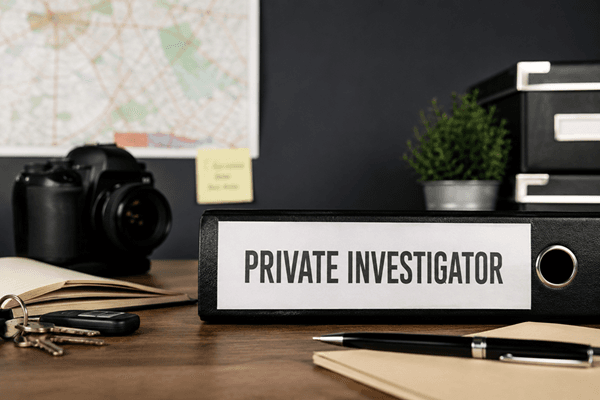
Most people have a general idea of what a private investigator does, but there’s still a lot of confusion around what’s actually legal. Films and TV don’t exactly help either. They tend to make it seem like investigators can access anything they want, whenever they want, with no real consequences.
The simple message is that professional private investigators work within clear legal boundaries. They don’t have special powers, and they definitely can’t bend the law to get results. What they do bring is experience, patience, and a solid understanding of how to gather information properly.
If you’re thinking about hiring one, it’s worth knowing what they can and can’t do. It sets expectations early and, just as importantly, makes sure anything they uncover can actually be used if needed.
Understanding the Role of a Private Investigator
At its core, a private investigator’s job is to find information, establish facts, and present evidence. That could be for something personal, like suspected infidelity, or more business-focused, like fraud, misconduct, or due diligence.
They might work for individuals, companies, solicitors, insurance firms, or even local authorities. Every case is different, but the goal is always the same – get to the truth in a way that’s lawful, professional, and discreet.
And it’s worth stressing, they operate under the same laws as everyone else. There’s no shortcut around that, which is why experience really matters in this line of work.
Surveillance in Public Spaces
Surveillance is probably the first thing most people think of. It’s a big part of the job, but it’s not quite as dramatic as it’s made out to be.
In the UK, surveillance is allowed as long as it’s carried out in public places where there’s no reasonable expectation of privacy. Think streets, car parks, shopping centres, that sort of thing.
Investigators can follow someone, take photos, and record video, but it has to be done carefully. No harassment, no intimidation. Everything needs to be proportionate and justified.
So, for example, if a cheating partner is suspected, a PI could film someone arriving at somebody else’s home. But the idea of taking photos from a distance, zoomed in through a window of the home, to catch them ‘in the act’ – that’s a big no-no.
Good surveillance isn’t about chasing people down or creating a scene. It’s quiet, patient work. Most of the time, it’s about blending in and simply observing what’s happening.
Gathering Evidence for Legal Cases
A lot of investigations are tied to legal matters. That might involve collecting evidence for things like insurance fraud, personal injury claims, or disputes where someone’s actions are being questioned.
This can include photos, video footage, written reports, and detailed logs of activity over time. When done properly, it can make a real difference in a case.
But the key point is this – everything has to be obtained legally. If it isn’t, there’s a good chance it won’t be accepted in court. A professional investigator knows how to document everything properly so it holds up if it’s ever challenged.
Background Checks and Research
Another big part of the job is background research. This usually involves pulling together information from publicly available sources to build a clearer picture of a person or business.
That could mean verifying identities, checking company records, looking at directorships, or spotting links between individuals. It’s often called open-source intelligence, and it’s all done using lawful methods.
There’s a common myth that investigators can access bank accounts, phone records, or private messages. They can’t. Doing that without proper authority would be illegal.
What they can do is know where to look, how to interpret what they find, and how to connect the dots in a meaningful way.
Process Serving and Legal Support
Private investigators also support legal proceedings, especially through process serving. This involves delivering legal documents in line with court requirements.
These documents might include court orders, injunctions, statutory demands, or divorce papers. Sometimes it’s straightforward, especially if the person is cooperative.
Other times, not so much. Some people actively avoid being served, and that’s where an investigator’s skills come in. They can trace individuals, plan the best approach, and make sure the documents are delivered properly.
Once completed, proof of service is provided, which can then be used in court.
What Private Investigators Can’t Do
There are clear limits, and any reputable investigator will be upfront about them.
They can’t hack into phones, emails, or social media accounts. They can’t access private financial records. They can’t trick people into handing over confidential information. And they definitely can’t trespass on private property.
These are the kinds of things you see in films, but in real life, they’re simply not allowed. If anyone suggests using these methods, it’s a major red flag. Not only would they be breaking the law, but it could also cause serious issues for you.
Data Protection and Confidentiality
Handling sensitive information comes with a lot of responsibility. Private investigators have to follow data protection laws, including GDPR.
Any personal data must be collected legally, stored securely, and only used for valid purposes. It also shouldn’t be shared unless there’s a proper reason to do so.
Confidentiality is a big part of the job. Whether it’s a personal issue or a business matter, discretion is essential. A good investigator understands that trust is everything.
Why Legality Matters for Your Case
When you’re trying to get answers, it’s easy to focus on speed. But how those answers are obtained matters just as much.
If evidence is gathered illegally, it can be thrown out or challenged. It might even create legal problems of its own. That’s the last thing you want when you’re already dealing with a difficult situation.
Working with someone who follows the law properly means you can rely on what they find. It protects you as well as your case.
Choosing a Reputable Investigator
If you’re going to hire a private investigator, choosing the right one is key.
Look for someone experienced, professional, and transparent. They should be clear about what they can and can’t do, explain how the process works, and keep you informed along the way.
You won’t hear unrealistic promises from a good investigator. They won’t suggest cutting corners either. Instead, they’ll focus on doing the job properly and delivering results you can actually use.
At EJM Investigations, everything is carried out professionally, discreetly, and in line with UK law. If you want to talk through your situation or see how we can help, give us a call on 01772 334700.